In this guide
Renters theft coverage can follow your belongings
A renters policy commonly includes protection for personal belongings stolen from your apartment and may cover certain thefts away from home. Location still matters, but it is only one part of the review. The insurer also considers whose property was taken, the circumstances, applicable exclusions and the amount the policy can pay.
A useful question is more specific than whether theft is covered: would this policy cover my laptop in a car, my bicycle in shared storage or my jewelry while traveling? The answer may involve a category limit or off-premises provision. Review the broader renters insurance coverage guide so theft protection is considered alongside your other needs.
Your contents limit is not a promise to reimburse every missing item or its original purchase price. It is also not the amount you should automatically request after a loss. A claim should identify the actual stolen belongings and the evidence available to establish ownership and value.
What common theft situations should you ask about?
| Situation | What to confirm |
|---|---|
| Belongings stolen from the apartment | Covered property, ownership, special limits and deductible |
| A laptop taken from a vehicle | Off-premises personal property coverage and business-use restrictions |
| Jewelry stolen during a trip | The theft sublimit, scheduled coverage and territorial terms |
| A bicycle taken from shared storage | Whether the item and storage location fall within the policy's terms |
| Items missing from a paid storage unit | Storage provisions, location limits and any separate storage policy |
| A roommate's possessions disappear | Who is an insured and whose property the policy protects |
Ask these questions before buying whenever possible. Save the answers with the quote and check them against the documents issued. A policy summary is useful for comparison, but the complete terms determine the actual protection.
Belongings stolen from a car are separate from the car
Auto comprehensive coverage and renters personal property coverage address different interests. Texas Department of Insurance guidance explains that a car break-in may involve auto coverage for the vehicle and renters or homeowners coverage for personal items taken from it. Carrying auto liability coverage alone does not establish protection for either part of that loss.
Hypothetical example: someone breaks a car window and takes a backpack containing your personal laptop and headphones. Make one list for the vehicle damage and another for the stolen belongings. Ask the auto insurer about the window and the renters insurer about the backpack's contents. Separate policies can mean separate deductibles and claim handling.
Describe whether a device was yours, an employer's or borrowed. If you use it for paid work, disclose that use rather than assuming ordinary household-property treatment. Keep the purchase record and model information available. Your estimate of what a laptop would cost today should refer to a comparable item, not an unrelated upgrade.
Theft while traveling, moving or using storage
Use the moving coverage checklist to prepare questions about transport and storage. It separates questions for your insurer from the terms of any agreement with a moving or storage provider.
Off-premises coverage means some insured possessions can be protected outside the rental. It does not establish unlimited coverage at every location. Ask how the policy treats temporary travel, property kept at another residence and a storage unit rented for months. These circumstances may be addressed differently.
Before moving, tell the insurer the old address, new address, moving dates and any period in storage. Ask when the policy must be updated and what applies while belongings are in transit. Keep your mover's agreement and any separate protection documents. A moving company's responsibility should not be assumed to duplicate renters insurance.
For students, a family policy, a dorm arrangement and an off-campus apartment can raise different questions. Use the college renters insurance guide when checking who owns the property and where coverage applies. Being financially dependent on a parent does not, by itself, answer every insurance question.
Special limits can matter more than the overall limit
Cash, jewelry and certain collectibles may have smaller limits, including limits that apply specifically to theft. Increasing the general contents amount does not necessarily increase those separate limits. Ask the insurer to point out the categories that matter for your belongings rather than choosing a higher headline limit and assuming the issue is resolved.
For valuable pieces, ask about scheduling an item or buying separate coverage. The insurer may request photographs, an appraisal or other documentation. Confirm the covered causes, deductible and valuation method. Scheduling is not a universal promise that every possible disappearance or loss will be paid.
Create a short exception list beside your normal household inventory. Include an inherited ring, professional camera, musical instrument or collection that would be difficult to replace from a standard retail listing. For each item, write down the question you need answered. This keeps a distinctive possession from getting lost inside a large category total.
Replacement cost, depreciation and the deductible
The settlement method affects the value used for a covered loss. Actual cash value generally reflects depreciation; replacement cost generally uses a comparable new replacement, subject to policy conditions. A replacement cost policy may first pay actual cash value and require replacement documentation for additional eligible reimbursement. Ask about timing and deadlines.
The replacement cost versus actual cash value guide walks through that distinction. It is especially useful for older electronics and furniture whose resale value may be much lower than the cost of buying usable replacements.
| Illustrative factor | Amount or condition |
|---|---|
| Accepted value of covered stolen items | $1,650 |
| Applicable deductible | $500 |
| Other limits or adjustments | None, solely for this illustration |
| Illustrative payment | $1,150 |
This example is arithmetic, not a forecast. A real claim may involve different values or category restrictions. If the accepted covered value is below the applicable deductible, a simplified property calculation may produce no payment. Consider that possibility when comparing premium and deductible options.
Build an inventory before you need it
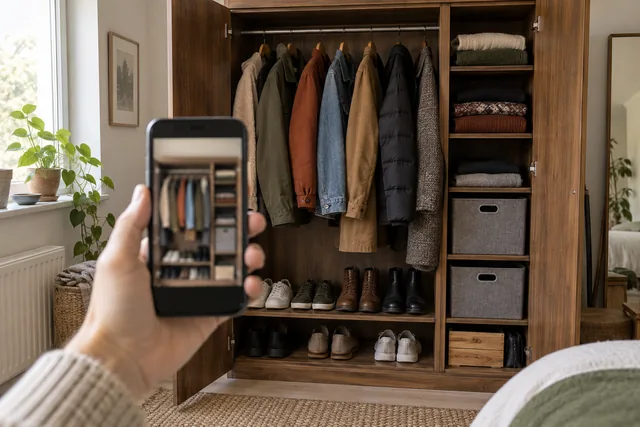
Walk through each room and document what you own. Start with photographs, then add descriptions for important items. Include brand, model, serial number where available, purchase date, ownership records and a realistic comparable replacement cost. Group ordinary clothing and kitchen items if that makes the first version easier to complete.
Use the belongings inventory tool to organize totals, then keep supporting records separately. The calculation is a planning aid, not an appraisal or claim determination. An insurer may need more detail than a category total if property is later stolen.
Keep a copy away from the items being documented. A folder stored only on your laptop will be difficult to use if that laptop is taken. Protect your saved records with appropriate account security, and avoid putting sensitive identifiers in a publicly shared album.
For belongings bought secondhand, write down what you know and retain any available sales record. For gifts, note the item and approximate receipt date and gather supporting photographs. Lack of an original store receipt does not give you permission to invent one. Ask the insurer what other evidence it will consider.
What to do after discovering a theft
Put personal safety first. If a break-in may still be occurring, move to a safe place and contact emergency services. Do not confront someone or attempt to recover property yourself. After the immediate situation is safe, begin a factual record while the details are fresh.
- Report the theft through the appropriate police channel and retain the report number.
- Tell the landlord or property manager about any affected doors, windows or shared areas.
- Notify your insurer promptly and ask about documents and deadlines.
- List known stolen items, distinguishing confirmed facts from estimates.
- Provide ownership and value records through the insurer's secure process.
- Update the insurer if additional items are identified or property is recovered.
Ask before discarding damaged items or permanently altering evidence unless immediate safety requires action. Record urgent steps taken to secure the rental and keep receipts. Tell the adjuster about any other policy or company handling part of the same loss so the claims can be considered consistently.
Roommates, guests and belongings you do not own
Living at the same address does not automatically make every roommate an insured under one policy. A shared couch or television also requires an ownership explanation. Read the roommate insurance guide before relying on another resident's policy for your belongings.
Hypothetical example: two roommates each own a laptop, and both disappear in one break-in. They should each document their own device and identify the policy they believe applies. They should not list both laptops as belonging to the person with insurance merely to simplify the claim.
Borrowed equipment and property belonging to guests deserve separate questions. Identify the actual owner, how the item came into your possession and whether another policy might apply. If an incident involves someone who lives in the home, describe that relationship accurately because policy exclusions and insured definitions can affect the analysis.
Choose a contents amount that works beyond a single theft
It is natural to focus on portable valuables, but your contents amount should also consider furniture, clothing, household supplies and other belongings that could be lost together. Use comparable replacement prices rather than a guess based on the apartment's size. The renters insurance checklist offers a practical room-by-room approach.
Ask the insurer to keep the contents limit, settlement method and deductible consistent across quotes. Then compare special limits, off-premises terms and optional item protection. That produces a more useful comparison than choosing the cheapest quote and discovering afterward that an important item was subject to a much smaller limit.
Revisit protection when your household changes
Update the inventory when you buy equipment, receive a valuable gift or start using belongings for paid work. Save the new records and ask whether a policy adjustment is needed. Review the smaller category limits as well as the total amount; adding an expensive item to a spreadsheet does not automatically add it to scheduled coverage.
A move is also a useful review point. Check the new address, storage arrangements, household members and effective date. If the apartment asks for proof of insurance, review the lease insurance requirements separately from your theft concerns. Meeting a liability requirement does not show that your personal belongings are insured to a suitable amount. Keep the lease review and inventory review together so both are completed before move-in, and retain the insurer's confirmation of any requested changes.
Common questions about renters insurance and theft
Does renters insurance cover a stolen bicycle?
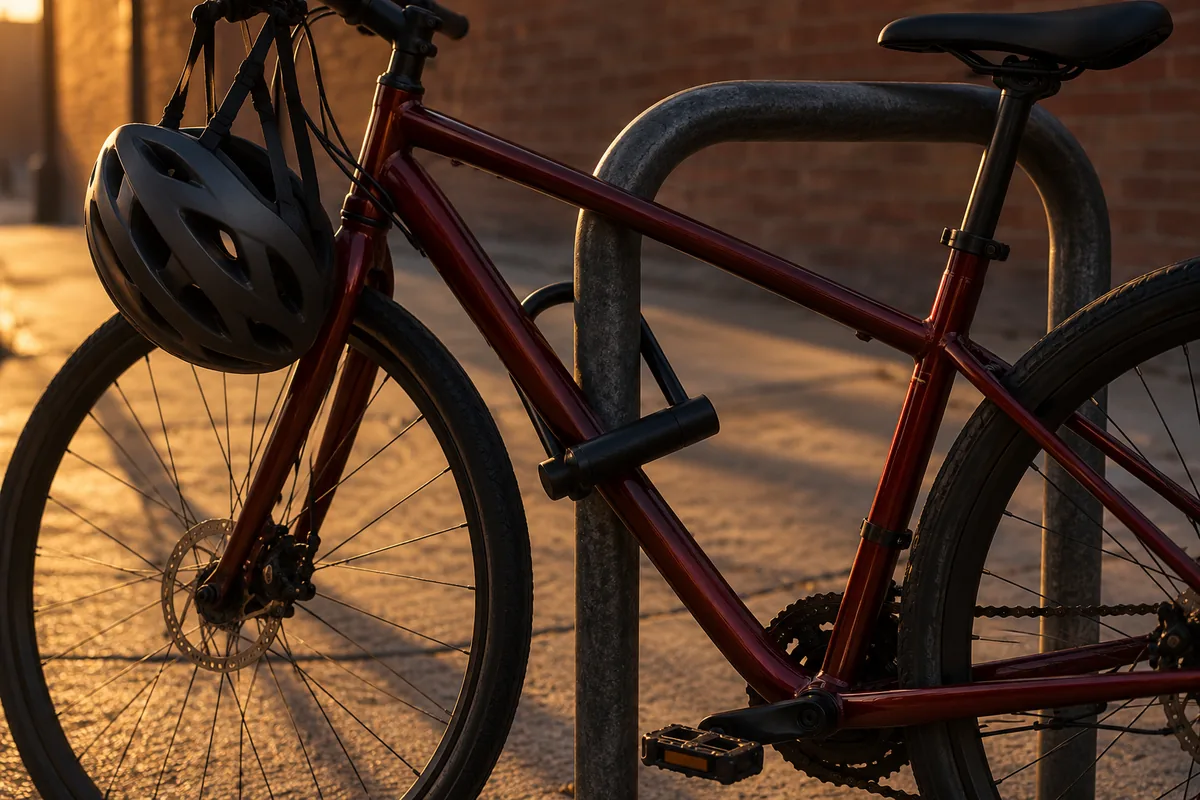
A bicycle may qualify as covered personal property, subject to the policy, location provisions and deductible. Ask specifically about a high-value bicycle or an electric model, since equipment definitions and exclusions can differ. Record its description and serial number before a loss.
What if an item is missing but I do not know it was stolen?
Explain exactly what you know. Misplacing an item, accidental loss and theft can receive different treatment. A scheduled item policy may also have different terms. Do not report a suspected event as an established fact to make it fit a coverage category.
Does apartment security replace renters insurance?
No. Controlled entry, cameras and locks can be useful precautions, but they do not establish insurance coverage for your possessions. Ask management how to report a problem and ask your insurer how relevant security features affect its underwriting or available discounts.
Should I keep paying for coverage after one claim?
Review your continuing needs before making a change. A claim does not remove the possibility of another covered loss. Ask the insurer about any effect on renewal or pricing, and confirm replacement coverage is effective before canceling a policy you still need.
If a loss occurs, the renters insurance claims checklist helps you organize photographs, insurer instructions and follow-up records. Keep a printed claims worksheet with your insurance documents.
Sources and References
- Texas Department of Insurance: Renters insurance coverage
- Texas Department of Insurance: Auto theft and insurance
- Texas Department of Insurance: Extra coverage for collectibles
- Texas Department of Insurance: Creating a home inventory
- North Carolina Department of Insurance: Actual Cash Value vs. Replacement Cost Value
- Texas Department of Insurance: What to know about deductibles
- Progressive: Does renters insurance cover theft?
- Oregon Division of Financial Regulation: Renter insurance